
€0.00
Your cart is empty

country: NOR
label: By Norse Music
Released at: July 2, 2026
format: DIGI CD
Condition: New
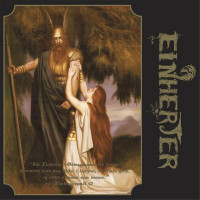
6-page folded booklet printed on on 125gsm art paper.
The classic Norwegian black/viking metal material re-issued! The 1994 Aurora Borealis demo and the 1995 Leve Vikingånden 7"ep presented as one album.

Released in 1998, "Odin Owns Ye All" is the second full-length studio album by Einherjer. It’s a fascinating, if slightly polarizing, chapter in the history of Viking Metal because it marked a distinct departure from the cold, black-metal-influenced sound of their debut "Dragons of the North". While their earlier work was rooted in the atmospheric and aggressive Second Wave of Black Metal, "Odin Owns Ye All" leans heavily into Heavy Metal territory. The guitar work is much more rhythmic and "groove-oriented" than the tremolo-picking found in traditional Norwegian metal and the sound is cleaner and punchier, losing the raw, lo-fi aesthetic of the mid-90s in favor of a more polished, rock n' roll Viking vibe. One of the most notable changes is the vocal delivery of Ragnar Vikse: instead of the typical black metal shriek, Vikse utilizes a unique, raspy, and melodic approach. It feels more theatrical and storytelling-driven, which fits the epic themes of Norse mythology but was quite a surprise to fans at the time.

Einherjer - album release “Lifeblood”.
Einherjer returns with their 10th studio album, Lifeblood—an 8-track release that presents the band at their most focused, atmospheric, and conceptually strong. Built on their unmistakable sound, the album blends powerful riffs with a deep, immersive sense of identity and place.
“Lifeblood” explores what runs beneath Einherjer—in blood, memory, and place. Moving between the illusion of control and the deeper forces that shape them—instinct, ancestry, nature, and time—the album weaves recurring images of sea and passage to reflect on consequence, identity, and inheritance. Here, the past is not behind them, but something that lives within them.
The title also carries a personal dimension, reflecting the lifelong bond between founding members Frode and Gerhard, and the enduring core of Einherjer itself—shaped over decades and held together by something deeper than intention. At its heart, Lifeblood is about continuity: the idea that they are not separate from what came before them, but a living extension of it.
