€ 0,00
Il carrello è vuoto

After a whole decade of silence, Downfall Of Nur is back with a new album. The studio project born from Italian-born Antonio Sanna is finally ready to give a proper follow up to the acclaimed debut Umbras de Barbagia (2015). And the Firmament will Burn to Quench the Pain of this Earth unfolds as a profound reflection on the ancestral memory and deeply rooted symbols of Sardinia.
At its core lies the dual figure of the feminine: the Mother Goddess, an ancient archetype associated with fertility, the earth, and permanence, represented in the prehistoric iconography of Sardinia, and human mothers, silent protagonists who carry the restrained sorrow of mourning their children lost to ancestral conflicts, such as the disamistade, a ritualized enmity deeply embedded in Sardinian cultural memory.
The album’s central narrative revolves around the transition of an individual caught in these ancient cycles of hostility. Upon shedding his physical form, his spirit merges with the archetype of the Mother Goddess, an ancestral presence embodying the exhaustion provoked by the endless repetition of violence and death. This union marks a threshold: an essential act of purification that confronts oblivion and halts the ceaseless recurrence of suffering.
Though not explicitly named, the mothers form the ethical and emotional foundation of the work. Their grief transcends the individual and extends into the collective, shaping the social memory and the ontological relationship between human beings and the land they inhabit. The Mother Goddess and the mothers symbolically intertwine, revealing the rupture between humanity and the earth that sustains it. The album posits a breaking point: the weariness of the Mother Goddess in the face of perpetual cycles of vengeance, death, and forgetting. This rupture is not presented as punitive, but as an inevitable act of purification, fire consuming what has been denied by collective memory.
And the Firmament Will Burn to Quench the Pain of This Earth calls for attentive and contemplative listening. It is not a linear or conclusive narrative, but a fragmented ritual space that opens the way to multiple layers of interpretation, where history, mythology, and human mourning converge. Ultimately, the album stands as an act of living memory—a tribute to Sardinia as a sacred, wounded land, bearer of silenced histories—and an invitation to recognize, through listening, the profound sorrow that resides in the broken bond between man, woman, earth, and the divine.
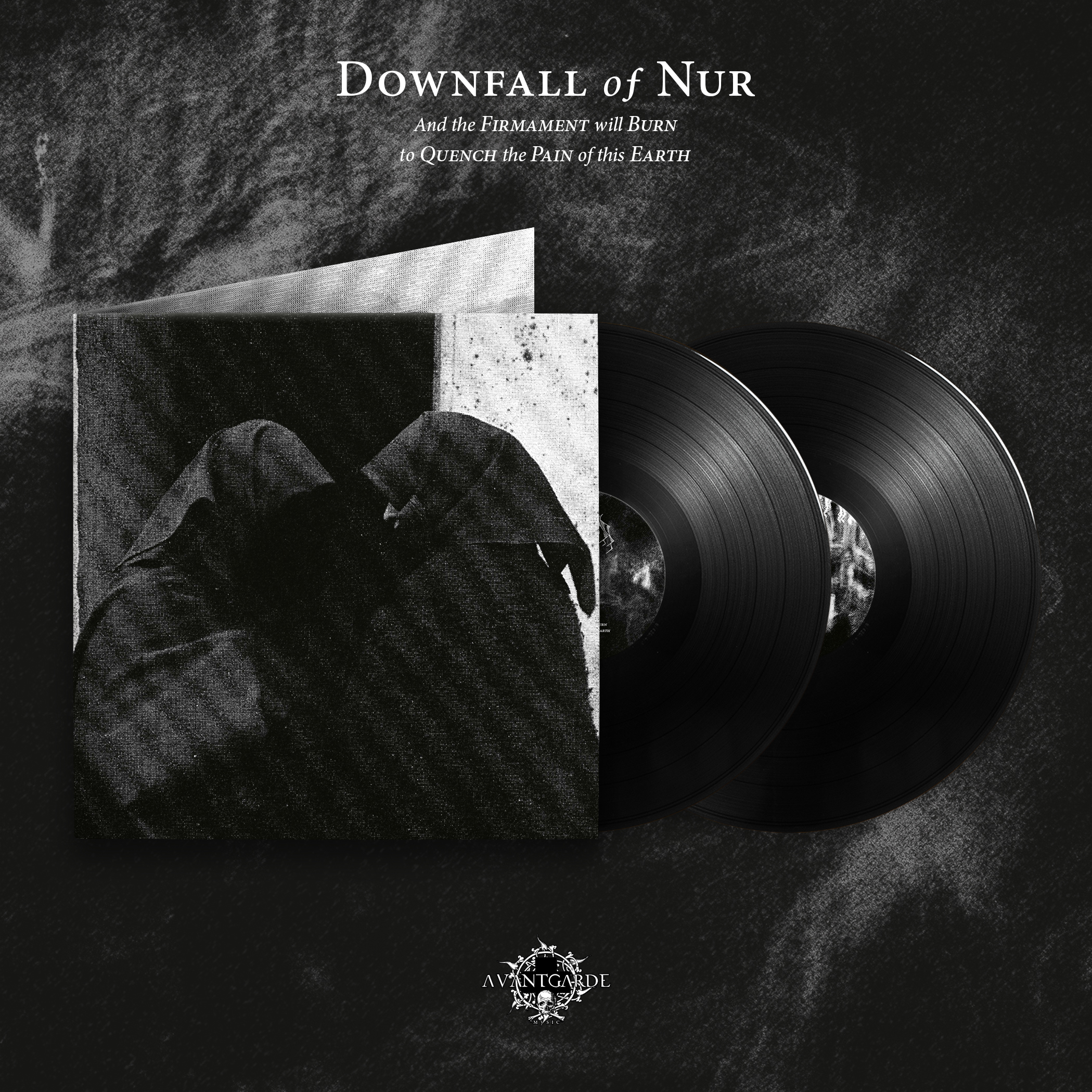

After a whole decade of silence, Downfall Of Nur is back with a new album. The studio project born from Italian-born Antonio Sanna is finally ready to give a proper follow up to the acclaimed debut Umbras de Barbagia (2015). And the Firmament will Burn to Quench the Pain of this Earth unfolds as a profound reflection on the ancestral memory and deeply rooted symbols of Sardinia.
At its core lies the dual figure of the feminine: the Mother Goddess, an ancient archetype associated with fertility, the earth, and permanence, represented in the prehistoric iconography of Sardinia, and human mothers, silent protagonists who carry the restrained sorrow of mourning their children lost to ancestral conflicts, such as the disamistade, a ritualized enmity deeply embedded in Sardinian cultural memory.
The album’s central narrative revolves around the transition of an individual caught in these ancient cycles of hostility. Upon shedding his physical form, his spirit merges with the archetype of the Mother Goddess, an ancestral presence embodying the exhaustion provoked by the endless repetition of violence and death. This union marks a threshold: an essential act of purification that confronts oblivion and halts the ceaseless recurrence of suffering.
Though not explicitly named, the mothers form the ethical and emotional foundation of the work. Their grief transcends the individual and extends into the collective, shaping the social memory and the ontological relationship between human beings and the land they inhabit. The Mother Goddess and the mothers symbolically intertwine, revealing the rupture between humanity and the earth that sustains it. The album posits a breaking point: the weariness of the Mother Goddess in the face of perpetual cycles of vengeance, death, and forgetting. This rupture is not presented as punitive, but as an inevitable act of purification, fire consuming what has been denied by collective memory.
And the Firmament Will Burn to Quench the Pain of This Earth calls for attentive and contemplative listening. It is not a linear or conclusive narrative, but a fragmented ritual space that opens the way to multiple layers of interpretation, where history, mythology, and human mourning converge. Ultimately, the album stands as an act of living memory—a tribute to Sardinia as a sacred, wounded land, bearer of silenced histories—and an invitation to recognize, through listening, the profound sorrow that resides in the broken bond between man, woman, earth, and the divine.
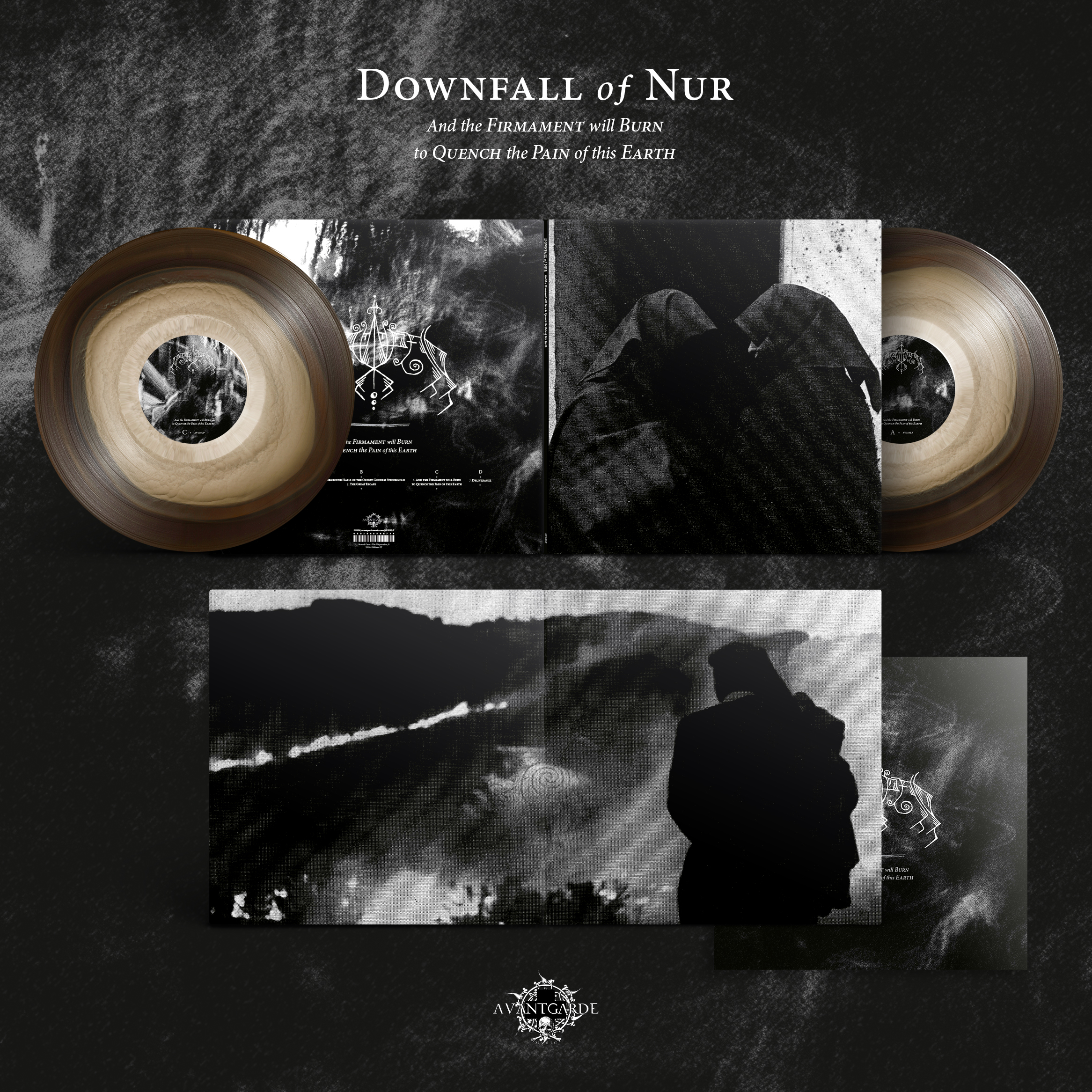

Copia nuova e mai ascoltata, ma arrivata con un danno ad un angolo della copertina gatefold! in quanto tale la vendiamo al 50% di sconto!
perfetto per chi da più importanza alla musica che non alla perfezione delle copertine! e per chi non disdegna un deciso risparmio

Avantgarde/Sound Cave exclusive edition LTD 100
After a whole decade of silence, Downfall Of Nur is back with a new album. The studio project born from Italian-born Antonio Sanna is finally ready to give a proper follow up to the acclaimed debut Umbras de Barbagia (2015). And the Firmament will Burn to Quench the Pain of this Earth unfolds as a profound reflection on the ancestral memory and deeply rooted symbols of Sardinia.
At its core lies the dual figure of the feminine: the Mother Goddess, an ancient archetype associated with fertility, the earth, and permanence, represented in the prehistoric iconography of Sardinia, and human mothers, silent protagonists who carry the restrained sorrow of mourning their children lost to ancestral conflicts, such as the disamistade, a ritualized enmity deeply embedded in Sardinian cultural memory.
The album’s central narrative revolves around the transition of an individual caught in these ancient cycles of hostility. Upon shedding his physical form, his spirit merges with the archetype of the Mother Goddess, an ancestral presence embodying the exhaustion provoked by the endless repetition of violence and death. This union marks a threshold: an essential act of purification that confronts oblivion and halts the ceaseless recurrence of suffering.
Though not explicitly named, the mothers form the ethical and emotional foundation of the work. Their grief transcends the individual and extends into the collective, shaping the social memory and the ontological relationship between human beings and the land they inhabit. The Mother Goddess and the mothers symbolically intertwine, revealing the rupture between humanity and the earth that sustains it. The album posits a breaking point: the weariness of the Mother Goddess in the face of perpetual cycles of vengeance, death, and forgetting. This rupture is not presented as punitive, but as an inevitable act of purification, fire consuming what has been denied by collective memory.
And the Firmament Will Burn to Quench the Pain of This Earth calls for attentive and contemplative listening. It is not a linear or conclusive narrative, but a fragmented ritual space that opens the way to multiple layers of interpretation, where history, mythology, and human mourning converge. Ultimately, the album stands as an act of living memory—a tribute to Sardinia as a sacred, wounded land, bearer of silenced histories—and an invitation to recognize, through listening, the profound sorrow that resides in the broken bond between man, woman, earth, and the divine.
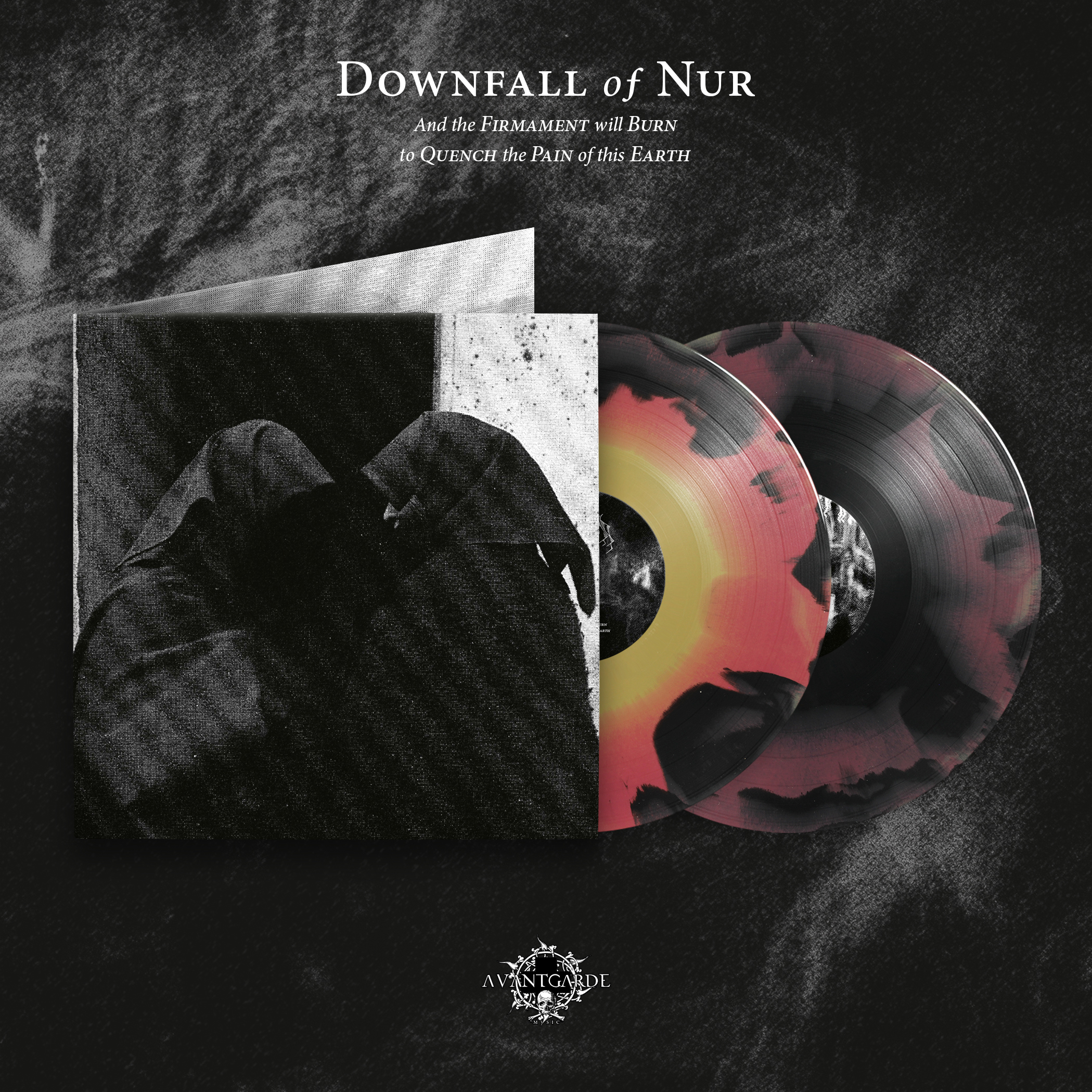

Test pressing, numbered to 10 copies, with custom hype sticker
After a whole decade of silence, Downfall Of Nur is back with a new album. The studio project born from Italian-born Antonio Sanna is finally ready to give a proper follow up to the acclaimed debut Umbras de Barbagia (2015). And the Firmament will Burn to Quench the Pain of this Earth unfolds as a profound reflection on the ancestral memory and deeply rooted symbols of Sardinia.
At its core lies the dual figure of the feminine: the Mother Goddess, an ancient archetype associated with fertility, the earth, and permanence, represented in the prehistoric iconography of Sardinia, and human mothers, silent protagonists who carry the restrained sorrow of mourning their children lost to ancestral conflicts, such as the disamistade, a ritualized enmity deeply embedded in Sardinian cultural memory.
The album’s central narrative revolves around the transition of an individual caught in these ancient cycles of hostility. Upon shedding his physical form, his spirit merges with the archetype of the Mother Goddess, an ancestral presence embodying the exhaustion provoked by the endless repetition of violence and death. This union marks a threshold: an essential act of purification that confronts oblivion and halts the ceaseless recurrence of suffering.
Though not explicitly named, the mothers form the ethical and emotional foundation of the work. Their grief transcends the individual and extends into the collective, shaping the social memory and the ontological relationship between human beings and the land they inhabit. The Mother Goddess and the mothers symbolically intertwine, revealing the rupture between humanity and the earth that sustains it. The album posits a breaking point: the weariness of the Mother Goddess in the face of perpetual cycles of vengeance, death, and forgetting. This rupture is not presented as punitive, but as an inevitable act of purification, fire consuming what has been denied by collective memory.
And the Firmament Will Burn to Quench the Pain of This Earth calls for attentive and contemplative listening. It is not a linear or conclusive narrative, but a fragmented ritual space that opens the way to multiple layers of interpretation, where history, mythology, and human mourning converge. Ultimately, the album stands as an act of living memory—a tribute to Sardinia as a sacred, wounded land, bearer of silenced histories—and an invitation to recognize, through listening, the profound sorrow that resides in the broken bond between man, woman, earth, and the divine.

Sarà disponibile in queste taglie: Medium / Large / XL / XXL: per favore indicare la taglia nelle note dell'ordine
After a whole decade of silence, Downfall Of Nur is back with a new album. The studio project born from Italian-born Antonio Sanna is finally ready to give a proper follow up to the acclaimed debut Umbras de Barbagia (2015). And the Firmament will Burn to Quench the Pain of this Earth unfolds as a profound reflection on the ancestral memory and deeply rooted symbols of Sardinia.
At its core lies the dual figure of the feminine: the Mother Goddess, an ancient archetype associated with fertility, the earth, and permanence, represented in the prehistoric iconography of Sardinia, and human mothers, silent protagonists who carry the restrained sorrow of mourning their children lost to ancestral conflicts, such as the disamistade, a ritualized enmity deeply embedded in Sardinian cultural memory.
The album’s central narrative revolves around the transition of an individual caught in these ancient cycles of hostility. Upon shedding his physical form, his spirit merges with the archetype of the Mother Goddess, an ancestral presence embodying the exhaustion provoked by the endless repetition of violence and death. This union marks a threshold: an essential act of purification that confronts oblivion and halts the ceaseless recurrence of suffering.
Though not explicitly named, the mothers form the ethical and emotional foundation of the work. Their grief transcends the individual and extends into the collective, shaping the social memory and the ontological relationship between human beings and the land they inhabit. The Mother Goddess and the mothers symbolically intertwine, revealing the rupture between humanity and the earth that sustains it. The album posits a breaking point: the weariness of the Mother Goddess in the face of perpetual cycles of vengeance, death, and forgetting. This rupture is not presented as punitive, but as an inevitable act of purification, fire consuming what has been denied by collective memory.
And the Firmament Will Burn to Quench the Pain of This Earth calls for attentive and contemplative listening. It is not a linear or conclusive narrative, but a fragmented ritual space that opens the way to multiple layers of interpretation, where history, mythology, and human mourning converge. Ultimately, the album stands as an act of living memory—a tribute to Sardinia as a sacred, wounded land, bearer of silenced histories—and an invitation to recognize, through listening, the profound sorrow that resides in the broken bond between man, woman, earth, and the divine.

After a whole decade of silence, Downfall Of Nur is back with a new album. The studio project born from Italian-born Antonio Sanna is finally ready to give a proper follow up to the acclaimed debut Umbras de Barbagia (2015). And the Firmament will Burn to Quench the Pain of this Earth unfolds as a profound reflection on the ancestral memory and deeply rooted symbols of Sardinia.
At its core lies the dual figure of the feminine: the Mother Goddess, an ancient archetype associated with fertility, the earth, and permanence, represented in the prehistoric iconography of Sardinia, and human mothers, silent protagonists who carry the restrained sorrow of mourning their children lost to ancestral conflicts, such as the disamistade, a ritualized enmity deeply embedded in Sardinian cultural memory.
The album’s central narrative revolves around the transition of an individual caught in these ancient cycles of hostility. Upon shedding his physical form, his spirit merges with the archetype of the Mother Goddess, an ancestral presence embodying the exhaustion provoked by the endless repetition of violence and death. This union marks a threshold: an essential act of purification that confronts oblivion and halts the ceaseless recurrence of suffering.
Though not explicitly named, the mothers form the ethical and emotional foundation of the work. Their grief transcends the individual and extends into the collective, shaping the social memory and the ontological relationship between human beings and the land they inhabit. The Mother Goddess and the mothers symbolically intertwine, revealing the rupture between humanity and the earth that sustains it. The album posits a breaking point: the weariness of the Mother Goddess in the face of perpetual cycles of vengeance, death, and forgetting. This rupture is not presented as punitive, but as an inevitable act of purification, fire consuming what has been denied by collective memory.
And the Firmament Will Burn to Quench the Pain of This Earth calls for attentive and contemplative listening. It is not a linear or conclusive narrative, but a fragmented ritual space that opens the way to multiple layers of interpretation, where history, mythology, and human mourning converge. Ultimately, the album stands as an act of living memory—a tribute to Sardinia as a sacred, wounded land, bearer of silenced histories—and an invitation to recognize, through listening, the profound sorrow that resides in the broken bond between man, woman, earth, and the divine.
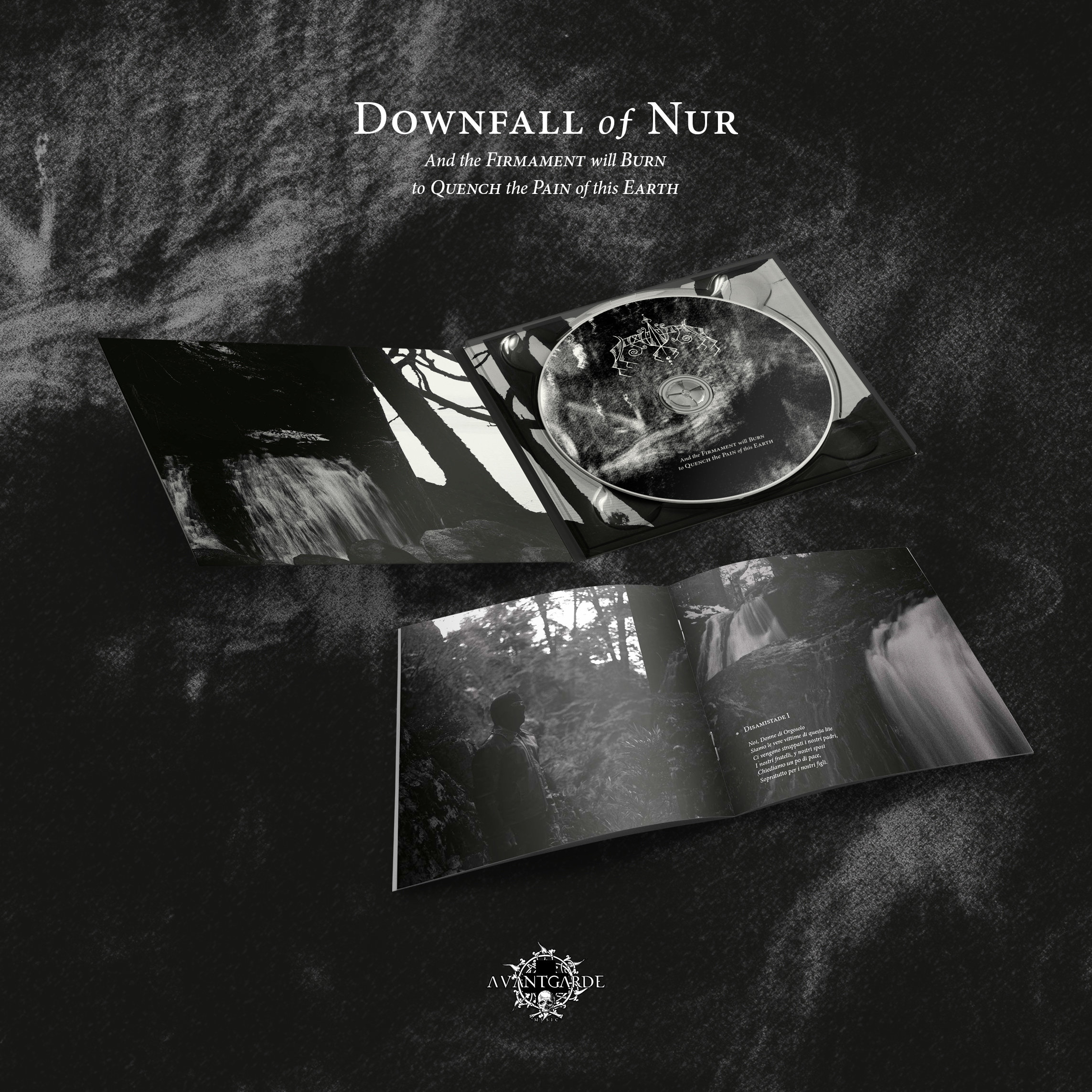

Test Pressing of the single LP mastering for this new edition

Single LP mastering for this new pressing
200 copies limited - natural clear vinyl / gatefold sleeve
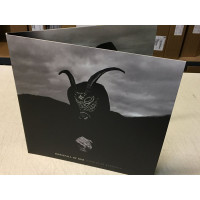
Double-vinyl in gatefold cover.
One vinyl in smoke / clear and the other in smoke / blue
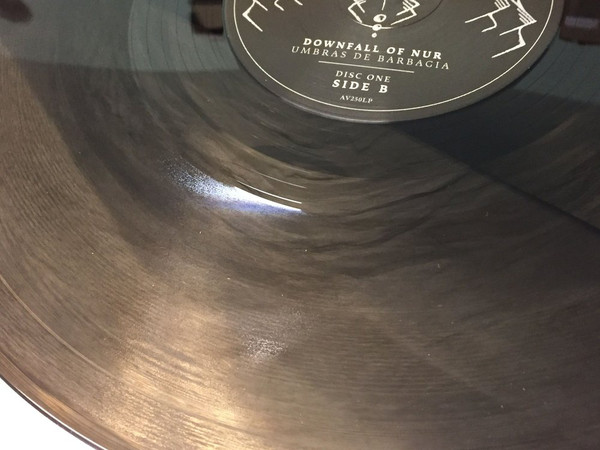
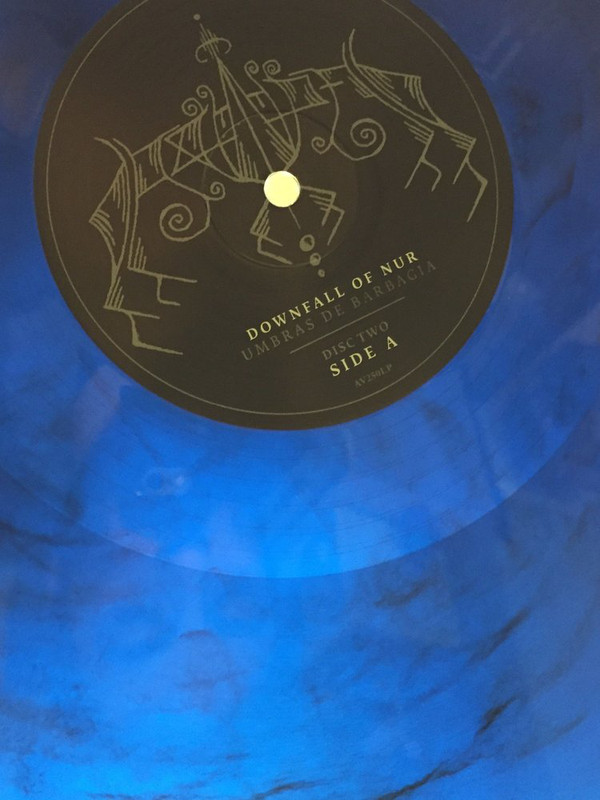

Double-vinyl in gatefold cover with booklet
Black Vinyl

Finally available again after previous editions / formats gone sold out
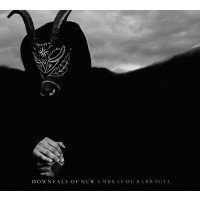
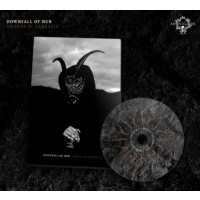
This is the third press in jewelcase format, the only available since now on.
This is Downfall of Nur 2013's demo in its original rawness and wilderness: a primordial recording yet showing an hidden inspiration that would quickly bring them recording the "Umbras de Barbagia" masterpiece.
Released in 200 copies only.

Demo-ep di 38 minuti pubblicato dalla label russa Ksenza Records in digipack
Per quanto molto più crudi, grezzi e tribali, già in questo ep i Downfall of Nur lasciavano presagire l'eccezionalità della loro proposta in ambito black atmospheric / pagan

Demo-ep di 38 minuti pubblicato dalla label russa Ksenza Records in digipack
Per quanto molto più crudi, grezzi e tribali, già in questo ep i Downfall of Nur lasciavano presagire l'eccezionalità della loro proposta in ambito black atmospheric / pagan