€ 0,00
Il carrello è vuoto


presto sul sito


Servizio di consegna presso punti poste ed uffici postali Nuova tariffa per ordini piccoli!
INFO





To celebrate the 20th anniversary of the album “Tomb of the Ancient King” – Wormphlegm are proud to re-release the album through Extremely Rotten Productions on both 2LP and CD for the first time, with a proper mastering done from the original tapes by Dan Lowndes in Sound Resonance Studios and comes with extended artwork, a few liner notes and lyrics presented for the first time.

To celebrate the 20th anniversary of the album “Tomb of the Ancient King” – Wormphlegm are proud to re-release the album through Extremely Rotten Productions on both 2LP and CD for the first time, with a proper mastering done from the original tapes by Dan Lowndes in Sound Resonance Studios and comes with extended artwork, a few liner notes and lyrics presented for the first time.
Comes on double LP and are housed in heavy gatefold LP jacket and includes insert.
This is the regular black vinyl edition.

Solid silver and black LP limited to 450 copies.
"Originally released in a limited edition of 200 hand-numbered copies in February 2009, this hidden gem is now available to a wider audience. Featuring re-recorded drum parts and a bonus track, the definitive version of this self-titled debut album by DER WEG EINER FREIHEIT showcases the immense talent of the German trio."

"Originally released in a limited edition of 200 hand-numbered copies in February 2009, this hidden gem is now available to a wider audience. Featuring re-recorded drum parts and a bonus track, the definitive version of this self-titled debut album by DER WEG EINER FREIHEIT showcases the immense talent of the German trio."

Solid Silver and Black LP limited to 450 copies.

Solid Silver and black LP limited to 450 copies
DER WEG EINER FREIHEIT masterfully achieves the feat of making their Black Metal both ethereal and incredibly intense. With a strong focus on atmosphere, they blend ultra-fast riffs and supersonic blasts with mesmerizing melodies. This German trio once again demonstrates that the Teutonic scene is one of the most exciting today. Think of KRALLICE with more brutality and LITURGY with less psychedelia; DER WEG EINER FREIHEIT modernizes Black Metal without compromising its essence. A MUST LISTEN!"

DER WEG EINER FREIHEIT masterfully achieves the feat of making their Black Metal both ethereal and incredibly intense. With a strong focus on atmosphere, they blend ultra-fast riffs and supersonic blasts with mesmerizing melodies. This German trio once again demonstrates that the Teutonic scene is one of the most exciting today. Think of KRALLICE with more brutality and LITURGY with less psychedelia; DER WEG EINER FREIHEIT modernizes Black Metal without compromising its essence. A MUST LISTEN!"

Full coloured cover with white inner jacket + Insert & A2 Poster. Limited to 150 copies on 12" Vinyl.
Bloedmaan, returns with its third studio album “Circle of the Moon”, barely 1 year after the second full length album «Vampyric War in Blood» and 3 years since the debut album “Castle Inside the Eclipse. Like its predecessors the ingredient to Bloedmaan’s music varies very little from the main course, so those who are familiar with the previous records already know what to expect.
Rönarg’s signature guitar sound filled with the illustrious melodies never wavers to fail to draw the complete attention of the audience, Once again, one can drift away into the world of vampirism and linger on a journey leaded by the splendid guitar work accompanied by blasting drums and sharp bass elements which are entangled in a raw, yet clear production.
Just like on the previous record, there’s also room for a little bit of experimental addition, such as the ghost like ballad which’s magic really comes to life due to the haunting clean vocals. Furthermore Rönarg delivers again a disgusting form of shrieking vocals throughout the entire album that praises the sound of the dead.
Each song stands as a milestone on this record and yes, Bloedmaan has done it again! Another masterpiece of a record has been added to its fast growing discography! Every old school black metal fan, yet, fans of melodic black metal or even symphonic black metal (old emperor fans) will most likely enjoy this record from start til finish. Vampyric Melodic Black Metal at its finest!

The album comes with a 16 page booklet + Poster and full artwork design. Limited to 500 copies on CD.
Bloedmaan, returns with its third studio album “Circle of the Moon”, barely 1 year after the second full length album «Vampyric War in Blood» and 3 years since the debut album “Castle Inside the Eclipse. Like its predecessors the ingredient to Bloedmaan’s music varies very little from the main course, so those who are familiar with the previous records already know what to expect.
Rönarg’s signature guitar sound filled with the illustrious melodies never wavers to fail to draw the complete attention of the audience, Once again, one can drift away into the world of vampirism and linger on a journey leaded by the splendid guitar work accompanied by blasting drums and sharp bass elements which are entangled in a raw, yet clear production.
Just like on the previous record, there’s also room for a little bit of experimental addition, such as the ghost like ballad which’s magic really comes to life due to the haunting clean vocals. Furthermore Rönarg delivers again a disgusting form of shrieking vocals throughout the entire album that praises the sound of the dead.
Each song stands as a milestone on this record and yes, Bloedmaan has done it again! Another masterpiece of a record has been added to its fast growing discography! Every old school black metal fan, yet, fans of melodic black metal or even symphonic black metal (old emperor fans) will most likely enjoy this record from start til finish. Vampyric Melodic Black Metal at its finest!

Full coloured cover with white inner jacket + Insert. Limited to 100 copies on 12" Vinyl.
Draugr, a frequently new band hailing from the Carinthia area in Austria delivers forth their second full length album “Ahnenfeuer - Ginnungagap Chaos Pt. I”.
On this record Draugr shows a more mature side as their musicianship has drastically evolved compared to their debut album “Unter Yggdrasils Schatten”, which was released 2 years ago. The production of the album is clear, yet heavy and the overall sound is super professional which is exactly what this type of music needs.
The music itself can be compared to second wave black metal, old school riffing, furious blasting, pumping basslines and harsh shrieking vocals although the album. The guitars deliver some nice melodic parts, to beautiful tremolo picking and back to super-fast classic chord riffing, where the drums come in as a natural support to the guitars if not being the leading instrument that takes this album to a higher level with all the extra elements that are hearable in the background. The bass guitars riffs its way through the album with fury and absolute aggressiveness which gives the album that heavy low sound to bang your heads too. And the vocals as said above are harsh, shrieking and above all well mixed into the music which makes the album very pleasant to listen too.
Draugr definitely managed to deliver a fantastic beast of a second album that all fans of Classic Black Metal to Pagan Black Metal will be able to enjoy from start til end. Pure Black Metal Madness is what you can expect on this record! Hail Loki.

The album comes with a 16 page booklet and full artwork design. Limited to 500 copies on CD.
Draugr, a frequently new band hailing from the Carinthia area in Austria delivers forth their second full length album “Ahnenfeuer - Ginnungagap Chaos Pt. I”.
On this record Draugr shows a more mature side as their musicianship has drastically evolved compared to their debut album “Unter Yggdrasils Schatten”, which was released 2 years ago. The production of the album is clear, yet heavy and the overall sound is super professional which is exactly what this type of music needs.
The music itself can be compared to second wave black metal, old school riffing, furious blasting, pumping basslines and harsh shrieking vocals although the album. The guitars deliver some nice melodic parts, to beautiful tremolo picking and back to super-fast classic chord riffing, where the drums come in as a natural support to the guitars if not being the leading instrument that takes this album to a higher level with all the extra elements that are hearable in the background. The bass guitars riffs its way through the album with fury and absolute aggressiveness which gives the album that heavy low sound to bang your heads too. And the vocals as said above are harsh, shrieking and above all well mixed into the music which makes the album very pleasant to listen too.
Draugr definitely managed to deliver a fantastic beast of a second album that all fans of Classic Black Metal to Pagan Black Metal will be able to enjoy from start til end. Pure Black Metal Madness is what you can expect on this record! Hail Loki.


PRINT ON DEMAND
Please state your size in the order's notes:
MEDIUM / LARGE / XL / XXL

Formed in Kraków in 2019, Cursebinder set out to dissolve the lines between extreme metal and just about anything else. The self-produced demo EP (2020) announced the intention; the debut full-length Drifting (Avantgarde Music, April 2023) delivered on it, with forty minutes of haunting atmosphere, nuanced guitar work and shifting rhythms that earned the band a reputation for music impossible to pin down and difficult to forget.
Three years later, Psychohazard is a force with no shape and no mercy. The second full-length by Cursebinder hits harder and cuts deeper than anything they’ve done yet. Their latest release sees the band push for a more introspective, organic and life-affirming direction, circling the existential clash between the urban rat race and the human desire for love and connection.
At its center is raw human experience with all its contradictions; its veins overflow with a burning desire to look ever closer at the intangible forces that drive our lives. The band smashes their way through eight tracks of demolishing riffs dissolving into hazy atmospheres, jazz-inflected drift surfacing from the dark and layered rhythms drenched in pure psychedelic rage, baring their souls to those willing to listen.
Their commitment to the ideas, unrelenting emotional power and the intensity of their live shows spill all over this record. So does everything else. Unpredictable, elemental and intimate, Psychohazard is an invitation to ask the questions we’ve been avoiding.

Formed in Kraków in 2019, Cursebinder set out to dissolve the lines between extreme metal and just about anything else. The self-produced demo EP (2020) announced the intention; the debut full-length Drifting (Avantgarde Music, April 2023) delivered on it, with forty minutes of haunting atmosphere, nuanced guitar work and shifting rhythms that earned the band a reputation for music impossible to pin down and difficult to forget.
Three years later, Psychohazard is a force with no shape and no mercy. The second full-length by Cursebinder hits harder and cuts deeper than anything they’ve done yet. Their latest release sees the band push for a more introspective, organic and life-affirming direction, circling the existential clash between the urban rat race and the human desire for love and connection.
At its center is raw human experience with all its contradictions; its veins overflow with a burning desire to look ever closer at the intangible forces that drive our lives. The band smashes their way through eight tracks of demolishing riffs dissolving into hazy atmospheres, jazz-inflected drift surfacing from the dark and layered rhythms drenched in pure psychedelic rage, baring their souls to those willing to listen.
Their commitment to the ideas, unrelenting emotional power and the intensity of their live shows spill all over this record. So does everything else. Unpredictable, elemental and intimate, Psychohazard is an invitation to ask the questions we’ve been avoiding.

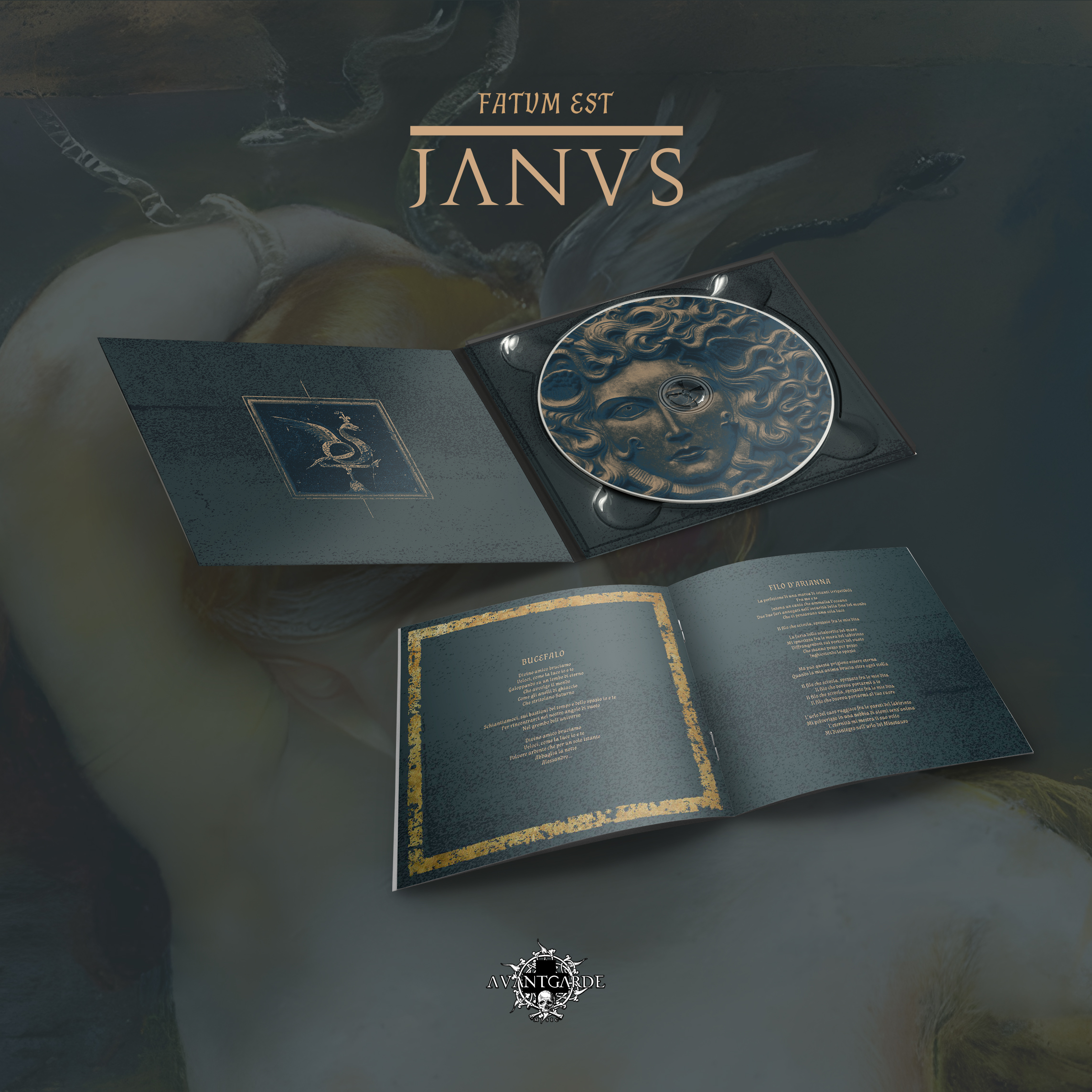
After over a decade of silence, one of the best-kept secrets in the Italian underground scene is rising from the ashes. JANVS, the Roman god of beginnings, passages and endings, is a black metal entity formed in Genoa over two decades ago, which may have fallen through the tides of time for many, but never really forgotten.
In the mid ‘00s JANVS released two of the most personal and interesting black metal records ever to come out of Italy, Fulgures (2007) and Vega (2008), mixing excellent songwriting to a profound latin cultural heritage. A few years later the band re-recorded and officially released their early songs in Nigredo (2014) before disappearing into the waves of the Mediterranean sea. We were incredibly excited when composer and multi-instrumentalist Matteo “Vinctor” Barelli told us the band was working on new music once again. JANVS lineup is once again completed by Massimo "m:A Fog" Altomare on drums and Claudio "Malphas" Fogliato on bass, and the trio is ready to release the new EP Fatum Est.
In their own word, in Fatum Est, each song draws on a myth, a figure, or an episode from the Hellenic tradition, reshaping and deconstructing its narrative into an existential vision that is both intimate and universal.
This work is dedicated to those who defy the gaze of the gods, burning without oxygen in infinitesimal and eternal moments of beauty and death, drowned in the void of a cosmos eternally identical to itself, devoid of any purpose. Moving forward from the softer atmospheres of Vega, expect intensity and desperate cosmic ferocity.

Here is presented the final chapter of Aäkon Këëtrëh reissue series.
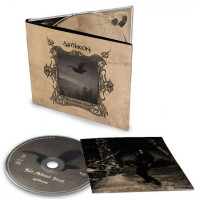
“Journey Into the Depths of the Night”, originally released in 1995, is the debut demo of this obscure LLN project and is finally reissued in proper quality. Remastered, with restored photos and special etching on B side!
6 panel digipak CD with reverse cardboard.

Here is presented the final chapter of Aäkon Këëtrëh reissue series.
“Journey Into the Depths of the Night”, originally released in 1995, is the debut demo of this obscure LLN project and is finally reissued in proper quality. Remastered, with restored photos and special etching on B side!
6 panel digipak CD with reverse cardboard.

Einherjer - album release “Lifeblood”.
Einherjer returns with their 10th studio album, Lifeblood—an 8-track release that presents the band at their most focused, atmospheric, and conceptually strong. Built on their unmistakable sound, the album blends powerful riffs with a deep, immersive sense of identity and place.
“Lifeblood” explores what runs beneath Einherjer—in blood, memory, and place. Moving between the illusion of control and the deeper forces that shape them—instinct, ancestry, nature, and time—the album weaves recurring images of sea and passage to reflect on consequence, identity, and inheritance. Here, the past is not behind them, but something that lives within them.
The title also carries a personal dimension, reflecting the lifelong bond between founding members Frode and Gerhard, and the enduring core of Einherjer itself—shaped over decades and held together by something deeper than intention. At its heart, Lifeblood is about continuity: the idea that they are not separate from what came before them, but a living extension of it.

Limited edition of the entire discography of Mistress Of The Dead. that contain all the 15 CDs (4 albums - just for this boxing) + booklet of 35-40 pages and a coffin-shaped box ( wooden box made of birch )
Please see complete list of albums here at this link
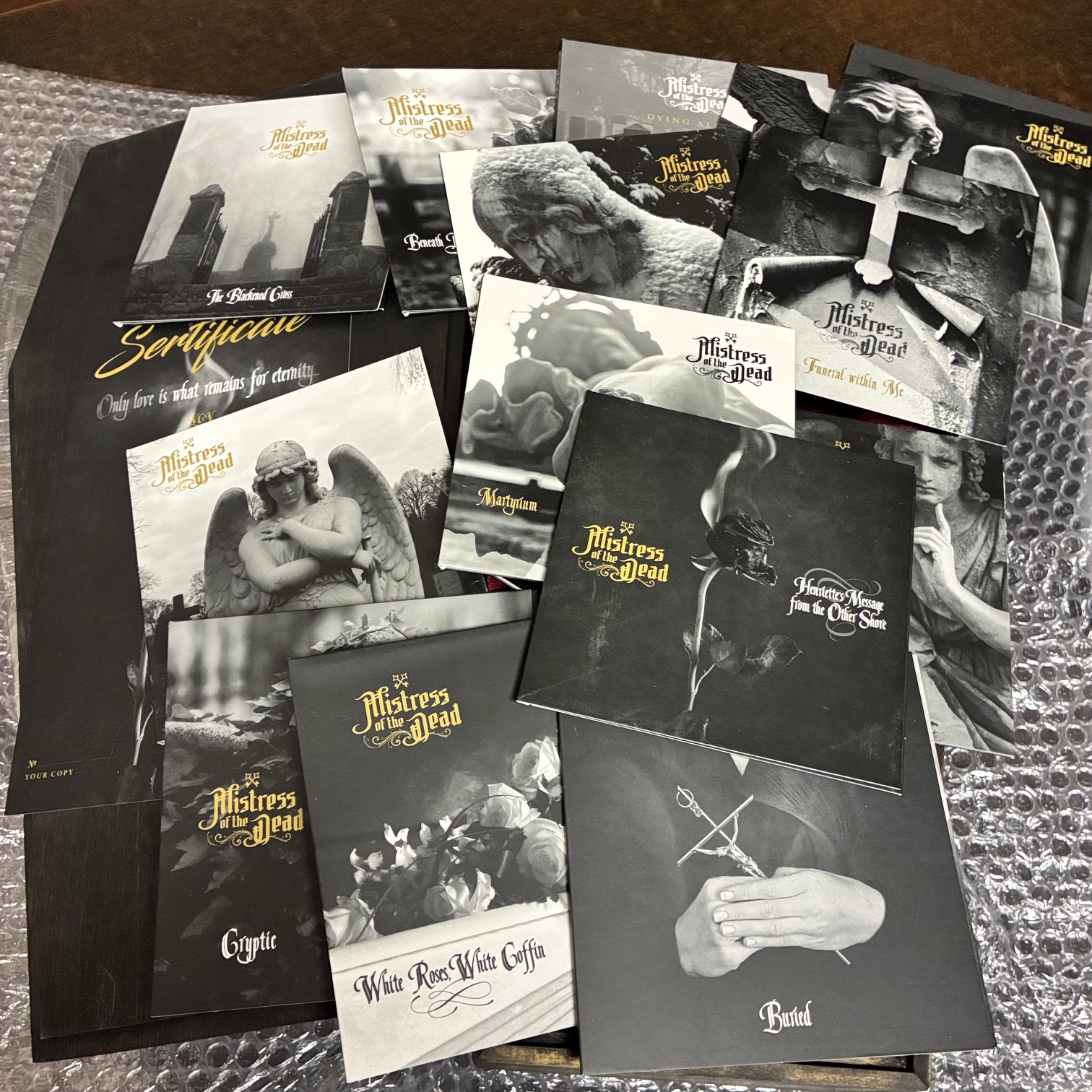
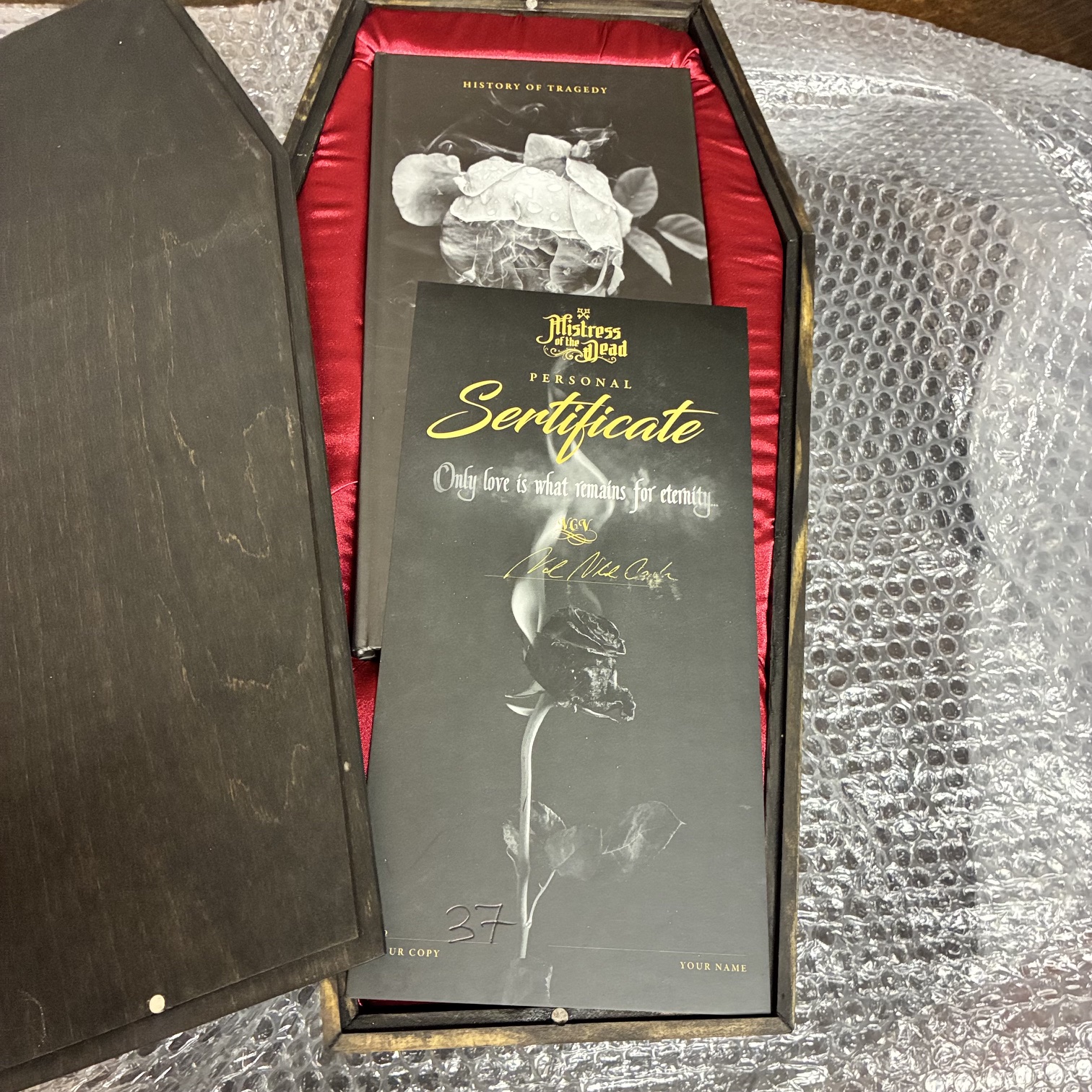
11 full-length albums + bonus CD recorded specially for this edition. New artwork. Complete and strictly limited edition of 300 copies of the discography in the Book of Elffor.

Qualche graffio sulla supericie del dischetto

(NOTA BENE, IL TESCHIO NELLA FOTO E' DECORATIVO E NON FA PARTE DEL BOX)
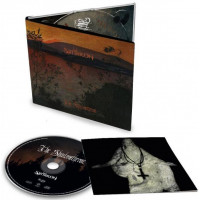
"The Northern Silence Years" Box-Set compiles the three albums the band released under Northern Silence Productions (which were also licensed to Nuclear Blast USA).
It is limited to 100 copies and includes:
- "Moonlover" DigiCD
- "Starmourner" DigiCD
- "Self Loather" DigiCD
- flag (100cm x 55cm with the "Reaper" artwork)
- woven logo patch
- logo metal pin
- sticker with the "Reaper" artwork
- handnumbered certificate
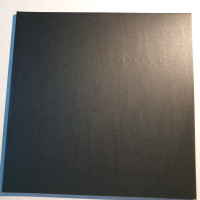
Gatefold embossed cover, double black vinyl
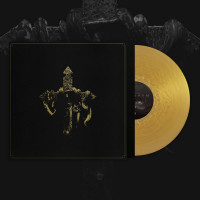
This special edition comes with an exclusive silkscreened hand-printed and numbered slipcase, printed innersleeve, 12-page 12"x12" booklet and a download card. Pressed on exclusive gold nugget heavy vinyl. Limited to 102 copies.
#076/102
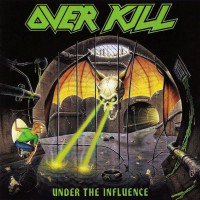
Small cut on the sleeve, 5 mm long, on the bottom part, as they used to do back then to mark nice-price / overstock or store promo copies

Lavish vinyl edition on 180g black vinyl, housed in a hardcover folder made of black rough solid-coloured cartonstock with embossing. Including 12" sized booklet made of solid-coloured black cartonstock with lyrics.
All folded into two pieces of cartonstock with hotfoil embossing and sealed with wax.
Limited to 300 handnumbered copies.
Vinyl unplayed. Seal was detached to unpack it, but it's still in the evenlope: in general, sleeve is in perfect conditions

Raging,repetitve yet diverse black/death metal
with a discreet yet ever present droning vibe.
Hypnotic and hysterical,channeled through the virtues
of a sharp,
strict but eventually warm sound production,
Υπνωσίνοσις provides a sonic guidance to the subsconscious and beyond!
8 panels digipack
Exactly 8 years after June 2010's 'The Grave of Civilization' Void of Silence are back with a brand new album.
Although still based on the classic Conforti/Zara line-up core, the new album features again a new lead vocalist (Luca Soi, of Arcana Coelestia and Visthia past).
4 panels digipack with booklet!
you can preorder it now but this is not a limited edition or anything.
will be in stock on the 2nd week of February
"This what I call imagination and talent employed to produce true art. I have chills from that song and it is followed up “Curse”, a hymn filled with almost nothing but black voices, gasps, growls, hissing, vomit-like emanations, ghost-like screams of anguish – this album is a journey I assure you. I am mentally exhausted. A brilliant release that takes many elements you have heard, many you have not and combines them in a unique way that makes this record an absolute must own."
These songs revolve around the transformation from man to The Übermensch (German for "Overman, Overhuman, Superman, Superhuman), through the purification of the fire and the metaphor of the warrior, mainly taking inspiration from parts of Vijnanabhairava as well as personal experiences of meditation.
Fire is the main element manifested by Shiva, seen as a purifying factor and dissolving, regenerating and annihilating.
In this case also seen as the awakening of a burning and dissolving energy, which brings chaos and destroys the boundaries of mortality to reach immortality.
Ascolta su BandCamp
Sebastian Montesi is a prolific artist, probably best known for his endeavors in Mitochondrion and for being one of the founding members of Auroch.
With Saturn’s Cross, the Canadian took a very different path, delving into cold wave territories, which little have to share with the bands he is usually associated to. Yet, when we listened to what Sebastian crafted, we had no doubt, and we gladly welcomed this new project to our roster. With neither hope nor fear, Saturn’s Cross unveils Cheat Death. Now operating as a two piece, with 1908 entering the fold on bass and
vocals, Cheat Death disregards genre with wild abandon in favour of something that is at times overwhelmingly abrasive and at others intoxicating.
This is a willing exploration of the endless labyrinth and a lamp of pitch black glass intended to serve as a beacon in the lightless depths of the human spirit. This is a headlong dive into the soul's psychic darkness, with nothing to break the fall. This ushers in a new era Saturn's Cross.
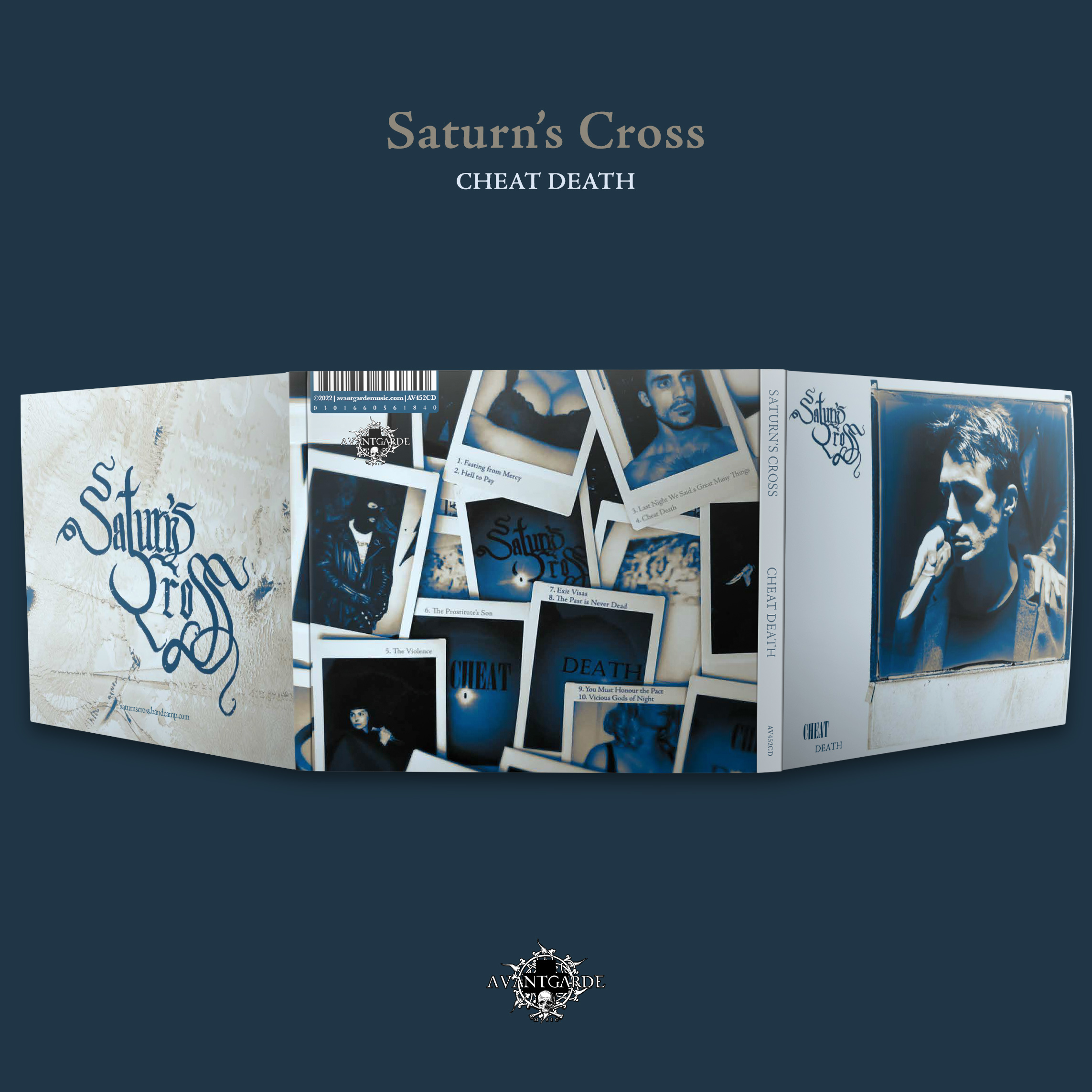
Digipack limited to 500 Copies
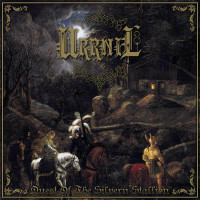
Orchestral Fantasy Music / Epic Dungeon Synth

“Show My Mercy” is an EP about the remorse that humans will feel, when they are stuck in the swirl
of karma made by themselves. Blinded by fury, greed, sorrow, heading for their destruction step by step.
The digipak comes as four-sided panel with booklet-sleeve and eight-sided booklet.
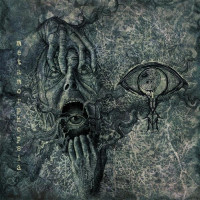
“Our goal – call to blight the life existance. Our weapon – weaknesses and vices of human scum.”
Virvel Av Morkerhatet, Ukraine: a hard atom that represents the defect of the human thought, that is multiplied by self-destruction of transcendental consciousness. Anticosmos through Black Magic.
We know you dreamt about a violent and ruthless edge of Ved Buens Ende, if we can figure this out in our minds.
This is a record that will not leave you indifferent and will nail your soul, a marvellous mix of avantgarde metal and evil fury where every second minute is unpredictable although not pushing too much over the reasonable boundaries of experimentation that every black metal band should safely keep….
Ascolta su BandCamp

Medieval Neofolk / Industrial
Here is presented for the first time ever the first proper version of the “A New Soldier Follows The Path Of A New King”, a real masterpiece from 1995. Founded in Austria in 1993, “The Moon Lay Hidden Beneath A Cloud” was a medieval martial ambient project formed by musician Albin Julius (R.I.P.) and vocalist Alzbeth. The release has been totally remastered for LP/CD for the best listening experience with a fully restored layout.

Medieval Neofolk / Industrial
Here is presented for the first time ever the first proper version of the “A New Soldier Follows The Path Of A New King”, a real masterpiece from 1995. Founded in Austria in 1993, “The Moon Lay Hidden Beneath A Cloud” was a medieval martial ambient project formed by musician Albin Julius (R.I.P.) and vocalist Alzbeth. The release has been totally remastered for LP/CD for the best listening experience with a fully restored layout.

Here is presented for the first time ever the first proper version of the “The Smell Of Blood But Victory”, a real masterpiece from 1997. Founded in Austria in 1993, “The Moon Lay Hidden Beneath A Cloud” was a medieval martial ambient project formed by musician Albin Julius (R.I.P.) and vocalist Alzbeth. The release has been totally remastered for LP/CD for the best listening experience with a fully restored layout.

Medieval Neofolk / Industrial
Here is presented for the first time ever the first proper version of the “A New Soldier Follows The Path Of A New King”, a real masterpiece from 1995. Founded in Austria in 1993, “The Moon Lay Hidden Beneath A Cloud” was a medieval martial ambient project formed by musician Albin Julius (R.I.P.) and vocalist Alzbeth. The release has been totally remastered for LP/CD for the best listening experience with a fully restored layout.
Medieval Dark Ambient
The legendary Medieval Dark Ambient full-length available for the first time on LP.
Originally released in 1995, this cult material is finally available again as deluxe edition, with totally remastered audio!
6 panel digipak CD with inside out cardboard.

Medieval Dark Ambient
The legendary Medieval Dark Ambient full-length available for the first time on LP.
Originally released in 1995, this cult material is finally available again as deluxe edition, with totally remastered audio!

Prog Rock / Experimental
Here is presented for the first time ever the first proper version of the “The Girl Who Was… Death”, a real masterpiece from 1988. Founded in 1987, “Devil Doll” was a an Italian-Slovenian experimental rock band. The band has gained a cult following, taking influences from gothic rock, classical and slavonic folk music, fronted by the sprechgesang of Mr. Doctor. The release has been totally remastered for LP/CD for the best listening experience with a fully restored layout.

Prog Rock / Experimental
Here is presented for the first time ever the first proper version of the “Eliogabalus”, a real masterpiece from 1990. Founded in 1987, “Devil Doll” was a an Italian-Slovenian experimental rock band. The band has gained a cult following, taking influences from gothic rock, classical and slavonic folk music, fronted by the sprechgesang of Mr. Doctor. The release has been totally remastered for LP/CD for the best listening experience with a fully restored layout.

Uncompromising Dutch Black Metal – DOODSWENS’ sophomore album out in April via Svart Records
Doodswens is a Dutch Black Metal band formed in 2017 by I. Live she performs the drums and vocals, joined by R. & P. on bass and guitar. Doodswens translates to Deathwish, but the meaning and heavy load to the word in Dutch translates better to Driven by Death. The self-titled sophomore album by Doodswens is out on April 17th 2026.
After establishing themselves in the Dutch scene, Doodswens gained an international following doing tours with Marduk & Gorgoroth. Doodswens’ performances are ceremonial and ritualistic, which have been reported to be as uplifting as they are devastating, depending on the demons you bring them to offer. Whatever you carry with you will be exposed. They like to confront instead of bringing comfort.

German PRAG 83 delivers mellow, sublime and dark alternate folk – rugged to the bone and close to earth. Musically unique with elements that reminds of the Katatonia´s ”Discouraged ones” era but also not far away from the works by the northern woodsmen of Lönndom

Katla is an Icelandic band featuring ex-Sólstafir drummer and visual artist Guðmundur Óli Pálmason and singer/multi-instrumentalist Einar Thorberg Guðmundsson (Fortíð, Potentiam). Named in tribute to one of Iceland's greatest active volcanos, Katla creates powerful, panoramic music where shimmering guitars, crushing melodies and atmospheric density meet dark, entrancing power.
Katla's debut album, "Móðurástin", shines a spotlight on the band's hook-heavy, horizon-stretching sound. The lyrics tell tales of living in a country of contrasts; a land where fire and ice co-exist and dark winters are offset by the summer's midnight sun. Iceland: a country where insular existence has spurred a rich and vibrant culture.
"Móðurástin", Icelandic for (a) Mother's Love, might seem like a strange title for a metal album, but Katla dares to be different. What on Earth is stronger than a mother's love? Nothing. Not hate, not lust, not greed.

First press on digipak. Long sold out
Disc: absolutely mint never played, Digipak: VG+
Through time and space, a spirit that won't show face. The living man will feel, but the spirit do not kneel. Cause I am not it`s master, it controls everything that grows faster. Three and man is equal out through the sequel. Treat this with respect, the force will protect.
Eldamar Is heavily inspired by the North lands nature Power. Look at it as a journey, and drift away in your own dreams.

Black Metal/Ambient from Norway

Complete with Hype Sticker on Case - "Obsidian - Ex-Members of Cradle of Filth".

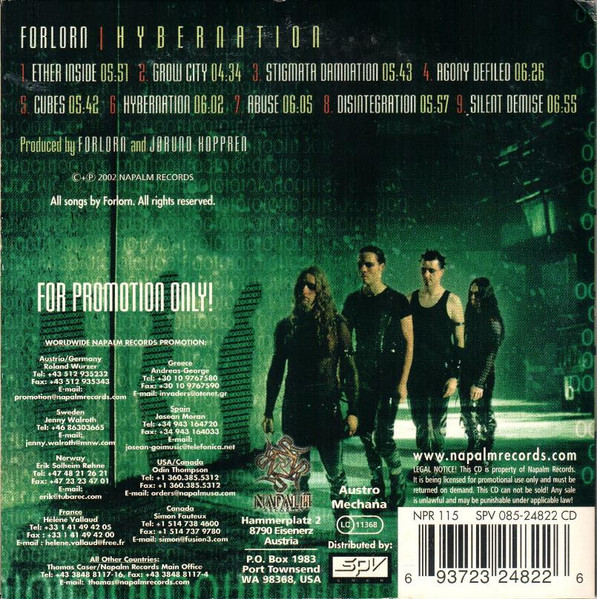
Un bundle di 2 album dei ELIS in formato promo CD (bustina in cartone stampata)
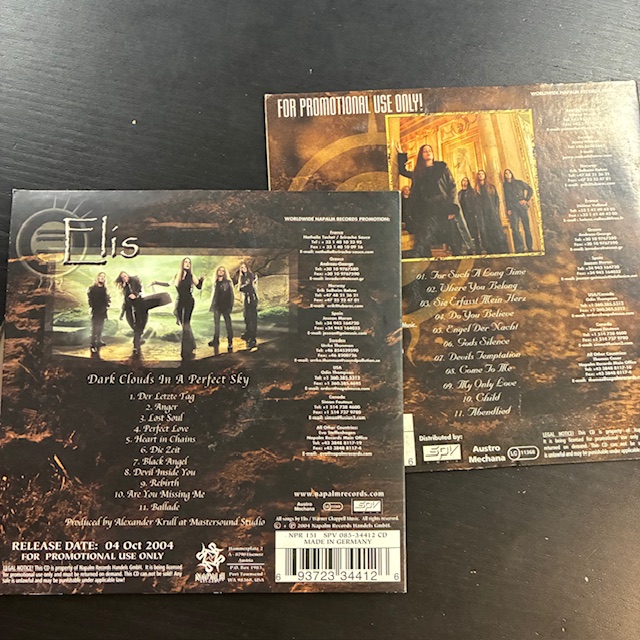

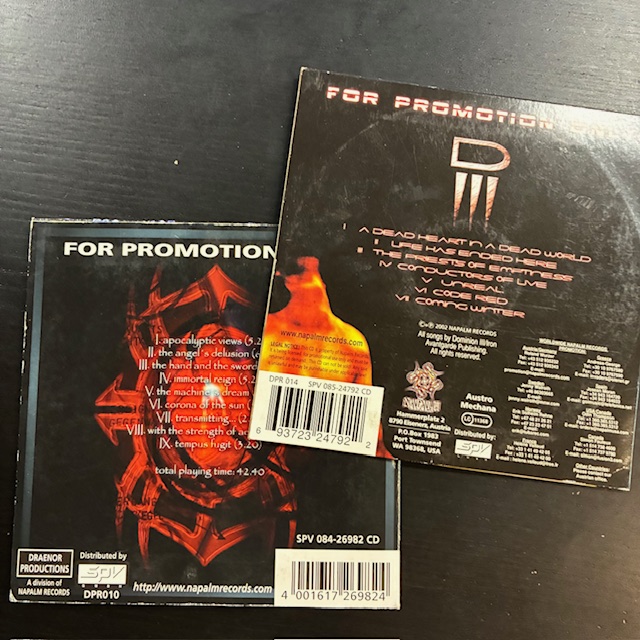
Un bundle di 2 album dei Domionion3 in formato promo CD (bustina in cartone stampata)