€ 0,00
Il carrello è vuoto

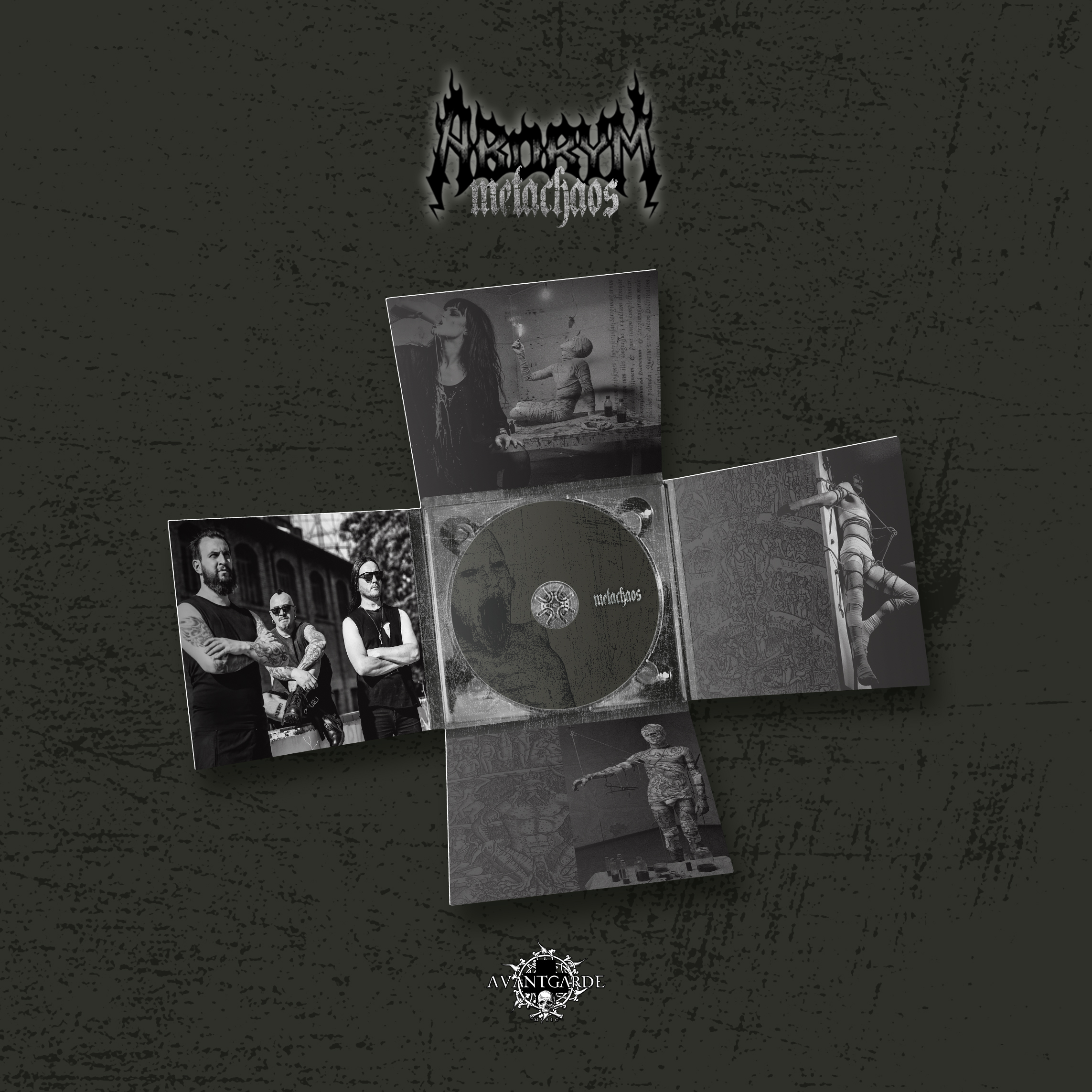
First press, limited edition in cross-shaped digipak CD with booklet!
Please note: all copies bought during preorder will be shipped into a custom-made bubble envelope

Gatefold, three sides recorded, with extensive huge book!
Available in two vinyl colors options

Second press
Limited edition, gatefold colored vinyl with transparent "black ice" vinyl

COPIA NUOVA MA ARRIVATA CON UN LIEVE DANNO DURANTE LA SPEDIZIONE: UNA PIEGATURA SULL'ANGOLO

----------------------------------
Stillamentum marks Gorrch’s long-awaited return, as well as the first collaboration between the duo and Avantgarde Music. Stillamentum is a full-length album steeped in claustrophobic intensity, dissonant chord structures, and relentless sonic tension. From punishing tremolo riffs and blasting drumming to cavernous production that evokes suffocating atmospheres, the record channels the band’s obsession with sound as ritual and catharsis. Gorrch push further into darkness with an unwavering commitment to raw emotion and existential dread, crafting a labyrinth of shadows and pain.

Six keys opened six doors, and their poison crept into our world.
Five years has passed since the doors of perdition were opened with the release of Escumergament’s debut studio album ...ni degu fazentz escumergamënt e mesorga..., and now it is time to explore the corrupted wastelands at these entrances.
Apparebat Eidolon Senex speaks of anger, resignation and misfortune. A glimpse into the smoldering ruins of temples and oceans filled with corpses. Of haunting spirits and mad gods. Of betrayal and unfathomable loss. Seven songs where the demon appears at different places depending on time, place and intent.
Just like ...ni degu fazentz escumergamënt e mesorga..., Apparebat Eidolon Senex was recorded in the Chapel of the Wanderers on old and unpredictable equipment during days and nights of storms and torment.
These spells of uncompromising black metal are designed to curse and bring ruin.

Six keys opened six doors, and their poison crept into our world.
Five years has passed since the doors of perdition were opened with the release of Escumergament’s debut studio album ...ni degu fazentz escumergamënt e mesorga..., and now it is time to explore the corrupted wastelands at these entrances.
Apparebat Eidolon Senex speaks of anger, resignation and misfortune. A glimpse into the smoldering ruins of temples and oceans filled with corpses. Of haunting spirits and mad gods. Of betrayal and unfathomable loss. Seven songs where the demon appears at different places depending on time, place and intent.
Just like ...ni degu fazentz escumergamënt e mesorga..., Apparebat Eidolon Senex was recorded in the Chapel of the Wanderers on old and unpredictable equipment during days and nights of storms and torment.
These spells of uncompromising black metal are designed to curse and bring ruin.

It’s been six long years since Sojourner released their latest album, Premonitions. Since then, a lot has happened: the band went through lineup changes, signed back to Avantgarde Music and sort of spent a good portion of these years resting, building up ideas and inspiration for what had to come next.
Gateways is the result of such rest, a collection of seven new tracks, including “Epitaphs”, the digital-only single released in late 2024. And let’s just say that Sojourner is back at full force. The signature sound that made Mike Lamb and Emilio Crespo’s band stand out since their beginnings, over a decade ago, is still there and now taken to new heights.
Sojourner’s dreamy, folky atmopsheres are still here, now with the powerful addition of Heike Langhan’s (ex-Draconian, Remina) beautiful vocals. At the same, Gateways doesn’t spare speed and fury, with fast up-tempos and monolithic riffs.
As guitarist and songwriter Mike Lamb states, “Gateways is a labour of love written over the last few years of outward silence, harnessing the soul of everything we've done before while carrying the band forward toward new horizons and opening the way for what comes next.”
Sojourner’s fourth studio album will be released via Avantgarde Music on CD and LP on July 10th, 2026, right on time to support the band’s first three live gigs after years of absence from the stage.

It’s been six long years since Sojourner released their latest album, Premonitions. Since then, a lot has happened: the band went through lineup changes, signed back to Avantgarde Music and sort of spent a good portion of these years resting, building up ideas and inspiration for what had to come next.
Gateways is the result of such rest, a collection of seven new tracks, including “Epitaphs”, the digital-only single released in late 2024. And let’s just say that Sojourner is back at full force. The signature sound that made Mike Lamb and Emilio Crespo’s band stand out since their beginnings, over a decade ago, is still there and now taken to new heights.
Sojourner’s dreamy, folky atmopsheres are still here, now with the powerful addition of Heike Langhan’s (ex-Draconian, Remina) beautiful vocals. At the same, Gateways doesn’t spare speed and fury, with fast up-tempos and monolithic riffs.
As guitarist and songwriter Mike Lamb states, “Gateways is a labour of love written over the last few years of outward silence, harnessing the soul of everything we've done before while carrying the band forward toward new horizons and opening the way for what comes next.”
Sojourner’s fourth studio album will be released via Avantgarde Music on CD and LP on July 10th, 2026, right on time to support the band’s first three live gigs after years of absence from the stage.

It’s been six long years since Sojourner released their latest album, Premonitions. Since then, a lot has happened: the band went through lineup changes, signed back to Avantgarde Music and sort of spent a good portion of these years resting, building up ideas and inspiration for what had to come next.
Gateways is the result of such rest, a collection of seven new tracks, including “Epitaphs”, the digital-only single released in late 2024. And let’s just say that Sojourner is back at full force. The signature sound that made Mike Lamb and Emilio Crespo’s band stand out since their beginnings, over a decade ago, is still there and now taken to new heights.
Sojourner’s dreamy, folky atmopsheres are still here, now with the powerful addition of Heike Langhan’s (ex-Draconian, Remina) beautiful vocals. At the same, Gateways doesn’t spare speed and fury, with fast up-tempos and monolithic riffs.
As guitarist and songwriter Mike Lamb states, “Gateways is a labour of love written over the last few years of outward silence, harnessing the soul of everything we've done before while carrying the band forward toward new horizons and opening the way for what comes next.”
Sojourner’s fourth studio album will be released via Avantgarde Music on CD and LP on July 10th, 2026, right on time to support the band’s first three live gigs after years of absence from the stage.

La maglietta viene stampata dopo aver ricevuto l'ordine, per cui mettere in conto circa 7/10 giorni prima di poterla spedire!
Disponibile in taglia M, L, XL
Per favore specificare la taglia nelle note d'ordine

It’s been six long years since Sojourner released their latest album, Premonitions. Since then, a lot has happened: the band went through lineup changes, signed back to Avantgarde Music and sort of spent a good portion of these years resting, building up ideas and inspiration for what had to come next.
Gateways is the result of such rest, a collection of seven new tracks, including “Epitaphs”, the digital-only single released in late 2024. And let’s just say that Sojourner is back at full force. The signature sound that made Mike Lamb and Emilio Crespo’s band stand out since their beginnings, over a decade ago, is still there and now taken to new heights.
Sojourner’s dreamy, folky atmopsheres are still here, now with the powerful addition of Heike Langhan’s (ex-Draconian, Remina) beautiful vocals. At the same, Gateways doesn’t spare speed and fury, with fast up-tempos and monolithic riffs.
As guitarist and songwriter Mike Lamb states, “Gateways is a labour of love written over the last few years of outward silence, harnessing the soul of everything we've done before while carrying the band forward toward new horizons and opening the way for what comes next.”
Sojourner’s fourth studio album will be released via Avantgarde Music on CD and LP on July 10th, 2026, right on time to support the band’s first three live gigs after years of absence from the stage.

First press gone sold out in a matter of a few weeks, now in presale a 2nd press with rather different features!
Second press comes in fact in gatefold sleeve and two different vinyl colors: oxblood or crystal clear!
----------------------------------
Stillamentum marks Gorrch’s long-awaited return, as well as the first collaboration between the duo and Avantgarde Music. Stillamentum is a full-length album steeped in claustrophobic intensity, dissonant chord structures, and relentless sonic tension. From punishing tremolo riffs and blasting drumming to cavernous production that evokes suffocating atmospheres, the record channels the band’s obsession with sound as ritual and catharsis. Gorrch push further into darkness with an unwavering commitment to raw emotion and existential dread, crafting a labyrinth of shadows and pain.

First press gone sold out in a matter of a few weeks, now in presale a 2nd press with rather different features!
Second press comes in fact in gatefold sleeve and two different vinyl colors: oxblood or crystal clear!
----------------------------------
Stillamentum marks Gorrch’s long-awaited return, as well as the first collaboration between the duo and Avantgarde Music. Stillamentum is a full-length album steeped in claustrophobic intensity, dissonant chord structures, and relentless sonic tension. From punishing tremolo riffs and blasting drumming to cavernous production that evokes suffocating atmospheres, the record channels the band’s obsession with sound as ritual and catharsis. Gorrch push further into darkness with an unwavering commitment to raw emotion and existential dread, crafting a labyrinth of shadows and pain.

Comes numbered and stamped
Avantgarde Music is proud to announce their collaboration with Saidan, an Eastern horror-themed band from Nashville, TN.
Born in 2020, Saidan released three studio albums so far, mixing the weird, over-the-top aesthetic of visual kei with fast, melodic riffing in the vein of labelmates Moonlight Sorcery.
Fangdriller: Scars Beneath Memories Wrist is the fourth studio album born from the minds of multi-instrumentalist Splatterpvnk and drummer Hundosai, a new chapter in the narrative concept that links together all Saidan releases. In the band’s own words, Fangdriller follows the story of a student named Junko, depressed and miles away from the people she loves. In the depths of her isolation, she finds comfort in a mysterious cult called Ethereal Blood. But unbeknownst to Junko, her anguished seclusion has made her the perfect victim.

Limited press
Avantgarde Music is proud to announce their collaboration with Saidan, an Eastern horror-themed band from Nashville, TN.
Born in 2020, Saidan released three studio albums so far, mixing the weird, over-the-top aesthetic of visual kei with fast, melodic riffing in the vein of labelmates Moonlight Sorcery.
Fangdriller: Scars Beneath Memories Wrist is the fourth studio album born from the minds of multi-instrumentalist Splatterpvnk and drummer Hundosai, a new chapter in the narrative concept that links together all Saidan releases. In the band’s own words, Fangdriller follows the story of a student named Junko, depressed and miles away from the people she loves. In the depths of her isolation, she finds comfort in a mysterious cult called Ethereal Blood. But unbeknownst to Junko, her anguished seclusion has made her the perfect victim.

Avantgarde Music is proud to announce their collaboration with Saidan, an Eastern horror-themed band from Nashville, TN.
Born in 2020, Saidan released three studio albums so far, mixing the weird, over-the-top aesthetic of visual kei with fast, melodic riffing in the vein of labelmates Moonlight Sorcery.
Fangdriller: Scars Beneath Memories Wrist is the fourth studio album born from the minds of multi-instrumentalist Splatterpvnk and drummer Hundosai, a new chapter in the narrative concept that links together all Saidan releases. In the band’s own words, Fangdriller follows the story of a student named Junko, depressed and miles away from the people she loves. In the depths of her isolation, she finds comfort in a mysterious cult called Ethereal Blood. But unbeknownst to Junko, her anguished seclusion has made her the perfect victim.

A complete bundle for the Saidan maniacs!
Get one copy each of:
- Onyx vinyl
- Bloodshot vinyl
- Crimson Flood vinyl
- Digi CD
- Tape
+ special band card
At a special price when compared to the sum of each single piece retail price (100€)
Avantgarde Music is proud to announce their collaboration with Saidan, an Eastern horror-themed band from Nashville, TN.
Born in 2020, Saidan released three studio albums so far, mixing the weird, over-the-top aesthetic of visual kei with fast, melodic riffing in the vein of labelmates Moonlight Sorcery.
Fangdriller: Scars Beneath Memories Wrist is the fourth studio album born from the minds of multi-instrumentalist Splatterpvnk and drummer Hundosai, a new chapter in the narrative concept that links together all Saidan releases. In the band’s own words, Fangdriller follows the story of a student named Junko, depressed and miles away from the people she loves. In the depths of her isolation, she finds comfort in a mysterious cult called Ethereal Blood. But unbeknownst to Junko, her anguished seclusion has made her the perfect victim.

Avantgarde Music is proud to announce their collaboration with Saidan, an Eastern horror-themed band from Nashville, TN.
Born in 2020, Saidan released three studio albums so far, mixing the weird, over-the-top aesthetic of visual kei with fast, melodic riffing in the vein of labelmates Moonlight Sorcery.
Fangdriller: Scars Beneath Memories Wrist is the fourth studio album born from the minds of multi-instrumentalist Splatterpvnk and drummer Hundosai, a new chapter in the narrative concept that links together all Saidan releases. In the band’s own words, Fangdriller follows the story of a student named Junko, depressed and miles away from the people she loves. In the depths of her isolation, she finds comfort in a mysterious cult called Ethereal Blood. But unbeknownst to Junko, her anguished seclusion has made her the perfect victim.

Avantgarde Music is proud to announce their collaboration with Saidan, an Eastern horror-themed band from Nashville, TN.
Born in 2020, Saidan released three studio albums so far, mixing the weird, over-the-top aesthetic of visual kei with fast, melodic riffing in the vein of labelmates Moonlight Sorcery.
Fangdriller: Scars Beneath Memories Wrist is the fourth studio album born from the minds of multi-instrumentalist Splatterpvnk and drummer Hundosai, a new chapter in the narrative concept that links together all Saidan releases. In the band’s own words, Fangdriller follows the story of a student named Junko, depressed and miles away from the people she loves. In the depths of her isolation, she finds comfort in a mysterious cult called Ethereal Blood. But unbeknownst to Junko, her anguished seclusion has made her the perfect victim.

Avantgarde Music is proud to announce their collaboration with Saidan, an Eastern horror-themed band from Nashville, TN.
Born in 2020, Saidan released three studio albums so far, mixing the weird, over-the-top aesthetic of visual kei with fast, melodic riffing in the vein of labelmates Moonlight Sorcery.
Fangdriller: Scars Beneath Memories Wrist is the fourth studio album born from the minds of multi-instrumentalist Splatterpvnk and drummer Hundosai, a new chapter in the narrative concept that links together all Saidan releases. In the band’s own words, Fangdriller follows the story of a student named Junko, depressed and miles away from the people she loves. In the depths of her isolation, she finds comfort in a mysterious cult called Ethereal Blood. But unbeknownst to Junko, her anguished seclusion has made her the perfect victim.

Formed in 2020 by AS, Inherits The Void is a French project of atmospheric and melodic black metal, inspired by the frozen visions of Vinterland, the incantatory fury of Misþyrming, and the melodic intensity of Dawn.
Since its inception, the project has explored the tension between melody and atmosphere, blending emotional intensity with celestial melancholy. Through several releases - Monolith of Light (2021), The Impending Fall of the Stars (2023), Scars of Yesteryears (2024), all released via Avantgarde Music - Inherits The Void has established itself as a singular voice within the modern French black metal scene.
The Silent Abscission, the fourth Inherits The Void studio album, is a true turning point: a concept album about erasure, cosmic implosion, and isolation. Conceived as a journey through eight visions, it moves between incantatory convulsions and silent abysses, leading to an inevitable and overwhelming resolution. Like the collision of celestial bodies, the music whirls, riffs lash, dissonances burn, and harmonies collapse into silence. A total black metal experience, where matter and spirit are consumed within the same incantation, standing at the frontier between despair and eternity.

Formed in 2020 by AS, Inherits The Void is a French project of atmospheric and melodic black metal, inspired by the frozen visions of Vinterland, the incantatory fury of Misþyrming, and the melodic intensity of Dawn.
Since its inception, the project has explored the tension between melody and atmosphere, blending emotional intensity with celestial melancholy. Through several releases - Monolith of Light (2021), The Impending Fall of the Stars (2023), Scars of Yesteryears (2024), all released via Avantgarde Music - Inherits The Void has established itself as a singular voice within the modern French black metal scene.
The Silent Abscission, the fourth Inherits The Void studio album, is a true turning point: a concept album about erasure, cosmic implosion, and isolation. Conceived as a journey through eight visions, it moves between incantatory convulsions and silent abysses, leading to an inevitable and overwhelming resolution. Like the collision of celestial bodies, the music whirls, riffs lash, dissonances burn, and harmonies collapse into silence. A total black metal experience, where matter and spirit are consumed within the same incantation, standing at the frontier between despair and eternity.